





Breakthrough in Domestic Continuous CF/PEEK Prepreg for Medical and Aerospace Applications
 Sep 22, 2025|
 View:587
Breakthrough in CF/PEEK Prepreg Sets New Standards for High-Performance Medical and Aerospace Materials
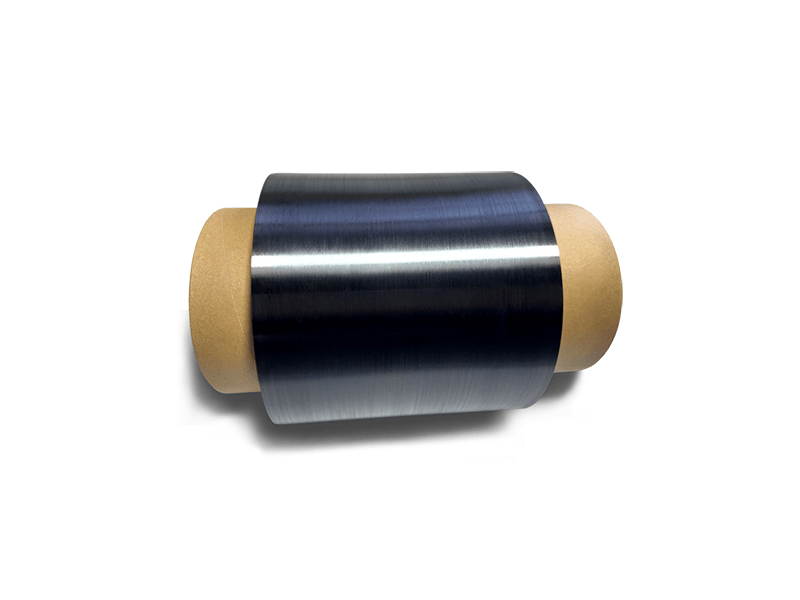

This innovative material demonstrates exceptional mechanical properties, biocompatibility, and high-temperature resistance, poised to reshape the application landscape of advanced materials in medical and aerospace fields. As a new generation of thermoplastic composite, it not only retains the high temperature and corrosion resistance of polyetheretherketone (PEEK) resin but also achieves a tensile strength exceeding 3000 MPa and a modulus of 176 GPa through carbon fiber reinforcement.


With interlaminar bonding strength improved to 96 MPa, it significantly outperforms traditional lamination processes, providing a new material foundation for structural lightweighting and functional integration.
Revolutionizing Medical Applications

Particularly noteworthy are its groundbreaking advantages in the medical field. The material offers excellent X-ray transparency and a modulus close to that of human bone, greatly reducing the risk of implant fracture. Compared to traditional metal instruments, CF/PEEK surgical aiming devices and implants can achieve up to 75% weight reduction while withstanding repeated moist heat sterilization at 134°C.
Manufacturing Breakthrough and Future Applications

Furthermore, process innovations have enabled continuous and stable production of the prepreg, addressing the industry-wide challenge of high-temperature resin infiltration into fibers. This breakthrough has established a critical technical foundation for the large-scale application of high-performance thermoplastic composites.

Future efforts will focus on expanding the use of CF/PEEK materials in broader applications, including high-end equipment and new energy vehicles. This enhancement not only improves surgical precision but also extends the service life of medical devices, meeting the manufacturing standards for Class I and Class II medical equipment.