




Fiberglass Reinforced Plastic (FRP) Sculptures: Blending Technology with Aesthetics to Empower a New Public Art Ecosystem
 Jan 27, 2026|
 View:372
In recent years, fiberglass reinforced plastic (FRP) sculptures have gradually become a favorite in the fields of public art, cultural tourism landscapes and commercial display design, thanks to their unique material advantages and flexible creative possibilities, injecting fresh vitality into urban aesthetic development and cultural expression.
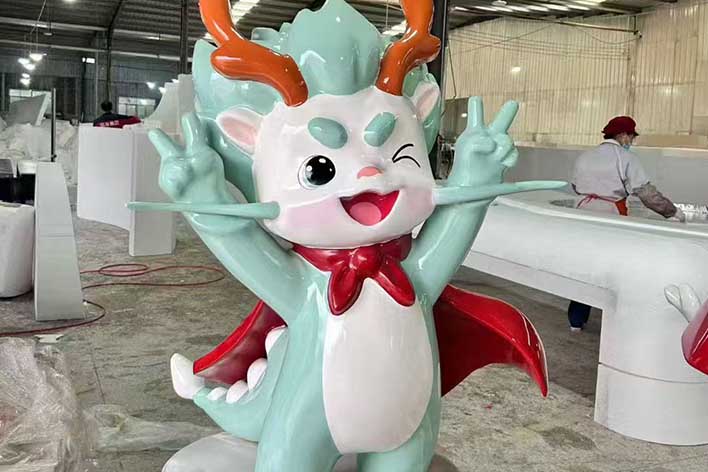
Compared with traditional stone and metal sculptures, FRP sculptures stand out for their light weight, high strength and diverse molding capabilities. Weighing only a fraction of conventional materials, they are easy to transport and install, making them particularly suitable for creating large-scale irregular art installations. Meanwhile, they boast excellent corrosion resistance and aging resistance, enabling them to withstand complex outdoor environments and retain their artistic texture for a long time. On the technical front, the integration of digital modeling and precision molding technology ensures that designers' creative concepts are perfectly translated into tangible works. Whether it is delicate character portrayals or abstract landscape sculptures, FRP materials can handle them with ease, significantly reducing the costs of creation and production.
Today, the application scenarios of FRP sculptures are constantly expanding. In urban squares and park green spaces, FRP sculptures serve as symbols of regional culture, telling unique urban stories. In cultural tourism scenic spots and commercial complexes, theme-based FRP sculptures have become popular check-in landmarks, driving foot traffic and gathering popularity. In corporate parks and campus spaces, customized FRP sculptures convey the spiritual core of brands and the cultural connotation of campuses.
With the upgrading of environmental protection technologies, the FRP sculpture industry is also undergoing a green transformation. The popularization of low-VOC resins and water-based eco-friendly coatings has made the sculpture production process more low-carbon and environmentally friendly. The R&D and application of recyclable composite materials are further propelling the industry towards a circular economy.
In the future, FRP sculptures will continue to deepen the integration of technological innovation and aesthetic expression, providing solutions that combine artistic value with practical functions for more scenarios, and emerging as an important link connecting art with daily life.